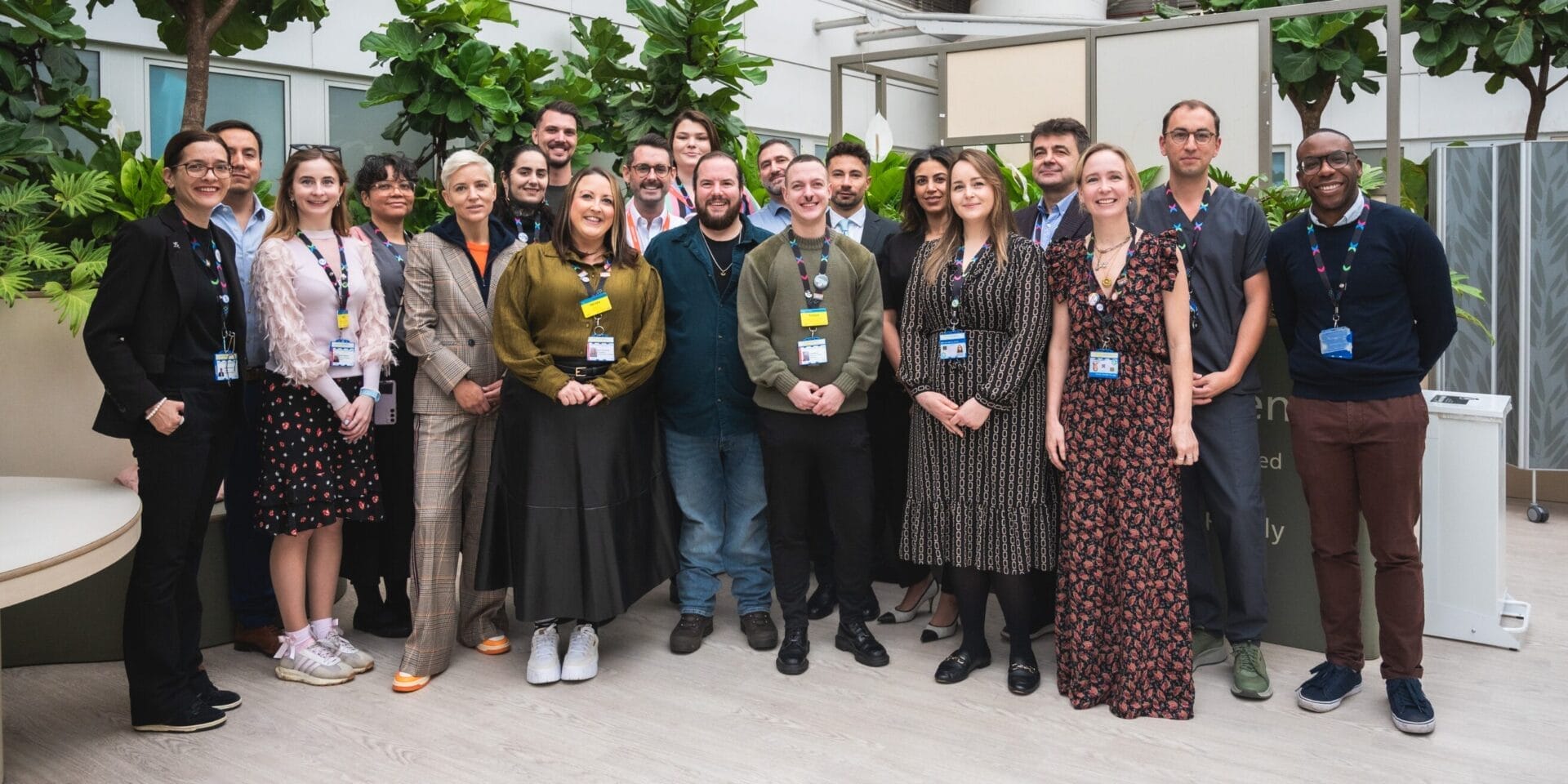



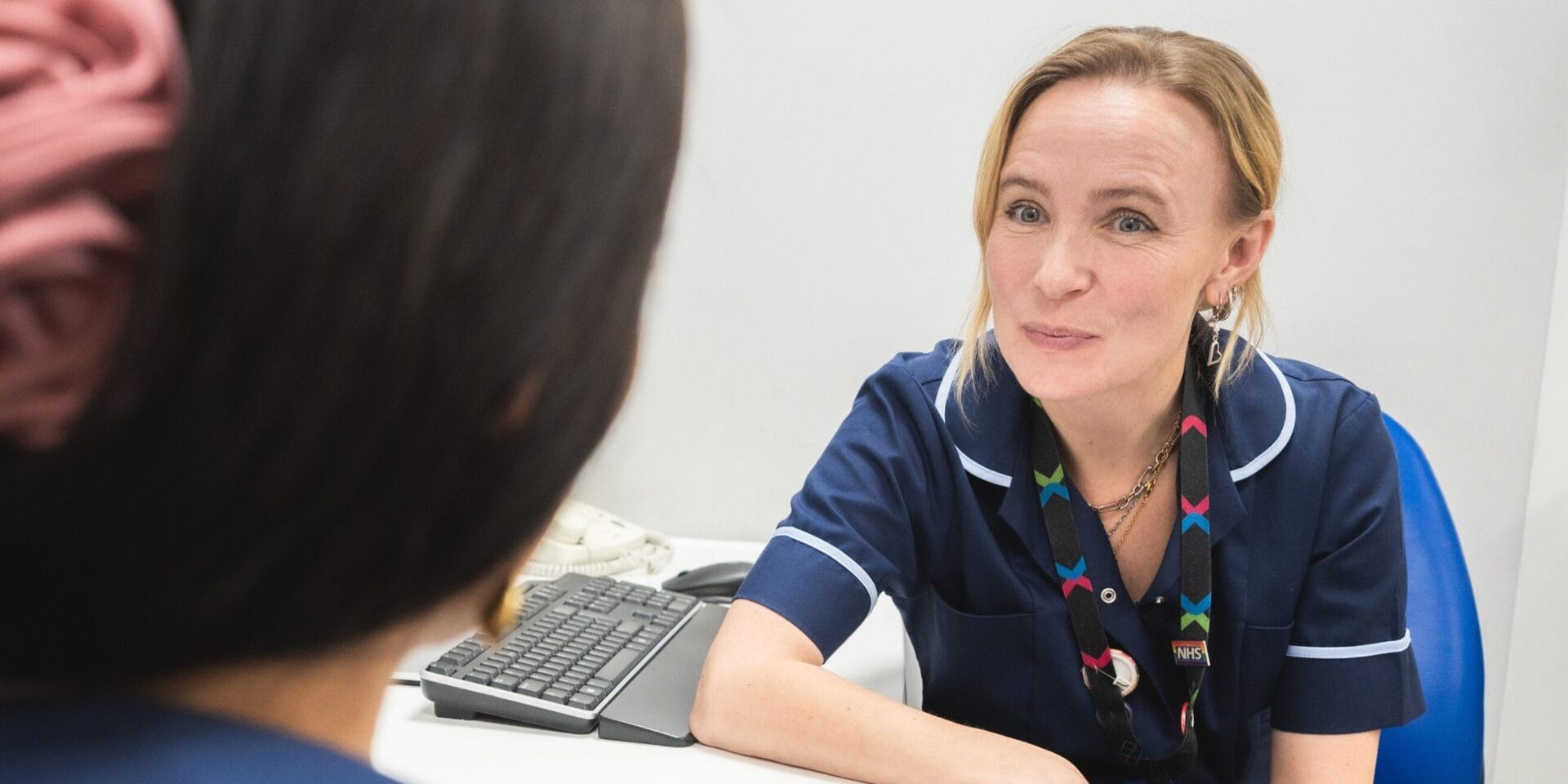

Chelsea and Westminster has launched its values to patients and members of the public to demonstrate the standard of care and experience they should expect from our service:
Putting patients first
Responsive to patients and staff
Open and honest
Unfailingly kind
Determined to develop
Gender surgery
patient information
Getting ready for surgery
The information provided is a general overview of what to expect before your surgery date. Exact information around preoperative appointments and preparations will be provided once a referral has been accepted.
Your surgery day and stay
Resources and information will be provided to help with your arrival at the hospital and your stay with us.
Aftercare following surgery
The information provided is a general overview of what to expect after your surgery. We have a multidisciplinary team who are available to provide tailored aftercare and advice.
Gender surgery options
Content Warning: the content below uses some anatomy/biological terms where it’s important to be precise.
A metoidioplasty is an operation that results in the creation of a small Neophallus, by straightening and lengthening a hormonally enlarged clitoris.We also offer the option of simultaneously having a laparoscopic hysterectomy which is keyhole surgery involving the removal the womb (uterus), including the neck of the womb (cervix) and salpingo-oophorectomy (removal of the fallopian tubes and ovaries).
Phalloplasty, also known as masculinising genital Surgery, refers to a general anaesthetic surgical procedure to create a penis in a transmasculine individual. There are various techniques.
Lower feminising surgery can include multiple options. This can be orchidectomy, vaginaplasty, and vulvoplasty. It is important to be aware that feminising genital surgery is not reversible, therefore you need to consider all the options available before you make this important decision.
Masculinising Chest Surgery, also known as Top Surgery or Gender Affirming Mastectomy, removes the breast tissue (mastectomy) while reshaping the chest to align it with the patient’s gender identity.
Arriving for your surgery
Watch our video showing your journey through the hospital on your day of surgery.
Watch the video
Advice, support and
referral information
Patients help and advice
Helplines as well as guidance and advice for patients.
Advice for friends, family and carers
Information for visiting patients in hospital and our pledge to you as a carer.
Health professionals, advice and further info
Advice for Primary Care Providers and guidance supporting transgender patients.
Referral criteria and GDNRSS Hub
Advice for referrals to our service and information about the Gender Dysphoria National Referral Support Service (GDNRSS).
Frequently asked questions
Yes, you will need to be referred through an NHS Gender Dysphoria Clinic - How to find an NHS gender dysphoria clinic - NHS (www.nhs.uk). We are following pathways laid out in the NHS Service Specification for Gender Identity Services for Adults (Surgical Interventions).
Initially, the service is only offering metoidioplasty +/- urethral lengthening with the option of simultaneously having a laparoscopic hysterectomy (a minimally invasive keyhole approach). We are setting up provisions for phalloplasties and further information on this surgical provision will be published shortly.
We follow national requirements around waiting list management but cannot provide wait list times whilst we are in the initial stages of the service.
It is recommended for your BMI (Body Mass Index) to be 30 or less for the operation to achieve the best outcome. This will be discussed further during your clinical consultation.